

White stucco and brick. Photo courtesy of Pawel Czerwinski.
Stucco and Brick Exterior Ideas: Modern to Mediterranean
A facade that pairs plaster and fired clay speaks in two textures: one smooth and quiet, the other deep, tactile, and rhythmic. Together, they create an architectural language that feels both grounded and expressive, balancing the simplicity of a continuous wall with the character of individual masonry pieces.
The most enduring stucco and brick exteriors aren’t divided into competing materials. Instead, they’re composed as a conversation between two surfaces, each with a distinct role. From a modern home with crisp white plaster and charcoal brick to a Mediterranean-inspired villa with warm stucco and terracotta, the possibilities are (almost) endless.

Mediterranean-style stucco and brick house. Photo courtesy of Sebastian Schuster.

Stucco home with brick window detail. Photo courtesy of Pawel Czerwinski.

Contemporary stucco and brick home. Photo courtesy of Jan Zinnbauer.
Stucco and Brick at a Glance
- Stucco and brick complement one another through contrast: a smooth, continuous surface alongside the texture and rhythm of individual masonry units.
- Brick traditionally anchors the base of a stucco home, frames an entry, or adds weight to architectural features such as chimneys and columns.
- Stucco can take the lead across larger wall surfaces, allowing brick to serve as a tactile accent.
- Light plaster and dark brick create a crisp, modern expression, while warm stucco and terracotta evoke Mediterranean and Old-World architecture.
- Matching undertones matters more than matching colors exactly. The two materials should feel related without becoming visually indistinguishable.
- Brick and stucco can extend beyond the facade into entry steps, walkways, courtyard walls, and other exterior surfaces.
Two Surfaces, One Facade
Rather than treating stucco and brick as competing choices, consider how they share the same architectural composition. Stucco provides a calm and continuous field, while brick introduces structure, rhythm, and a more pronounced sense of texture. Each material gives the other room to stand out.
The distinction between a composed facade and one that feels assembled often comes down to proportion and placement. Brick should appear where its presence makes architectural sense, while stucco creates continuity between those moments.
Smooth Plaster and Deep-Fired Clay
The beauty of this look begins with a sensory contrast. Stucco offers a matte, relatively uninterrupted plane, catching light softly across a broad surface. Brick brings grain, visible joints, and subtle tonal variation, creating a rhythm that changes as the eye moves across the wall.
This pairing also has a long architectural lineage. Across Mediterranean building traditions, lime-plastered walls have shared space with fired-clay masonry for centuries. Their enduring appeal comes partly from the way these materials balance simplicity and craftsmanship.
Deciding Which Material Leads
A successful composition gives one material the leading role and lets the other respond. Brick might ground a predominantly plastered home through a substantial base, chimney, or entry surround. Alternatively, stucco can frame a more extensive brick facade, giving its texture a place to breathe.
There’s no universal ratio to follow. Consider the home’s architectural style, scale, and existing features when deciding how much of each surface to reveal. For a closer look at the characteristics of each material, explore our guide to stucco vs brick vs stone.

Where Brick Meets Stucco: Composing the Junction
In a brick and stucco house exterior, the most telling detail may be the line where the two materials meet. This transition deserves as much attention as either surface on its own.
The Plinth, the Corner, and the Chimney
Brick traditionally anchors a plastered facade at the points where a home meets the ground or establishes its architectural structure. A brick plinth gives visual weight to the base, while brick around an entry or chimney creates a natural focal point. Corners and columns provide additional opportunities to introduce masonry.
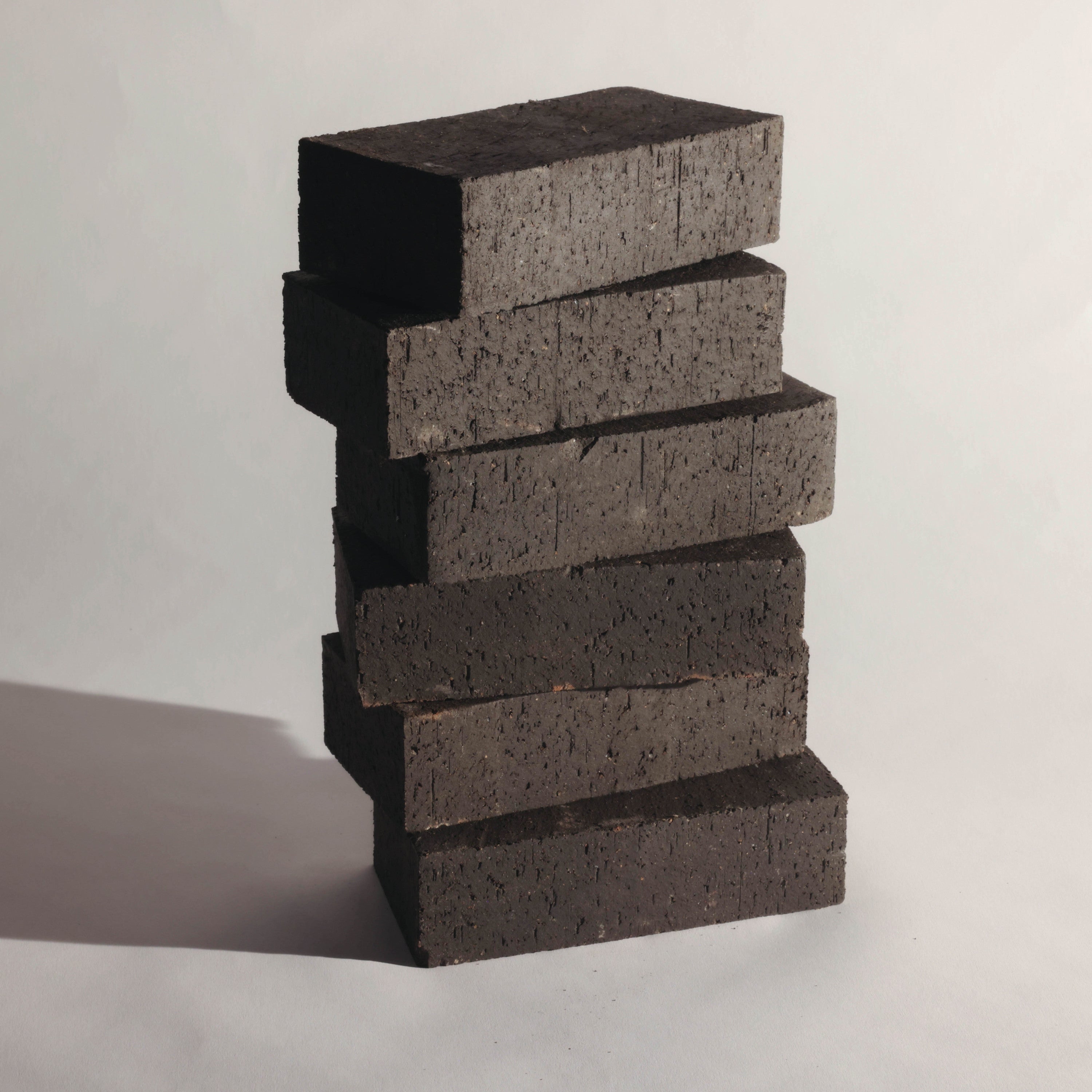
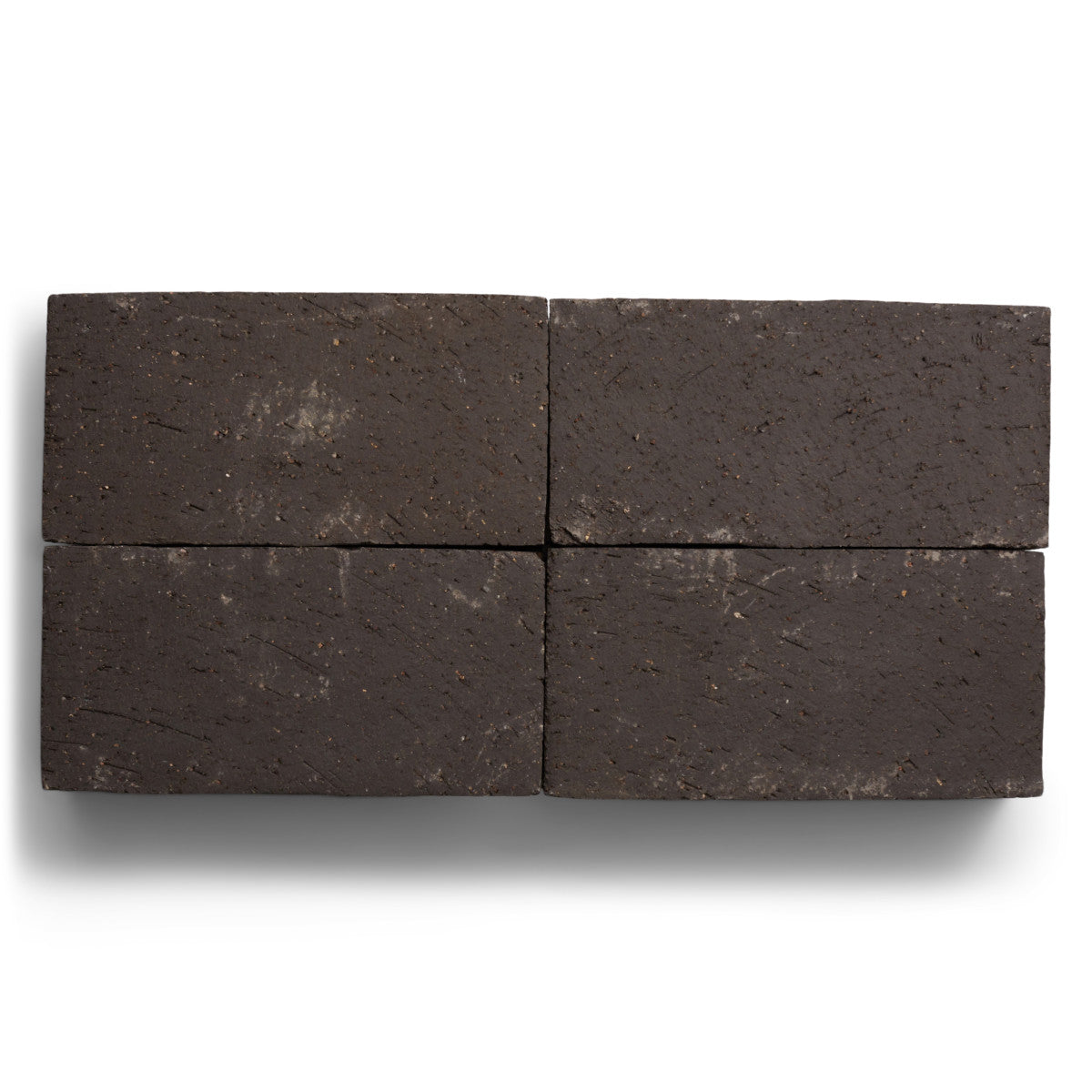
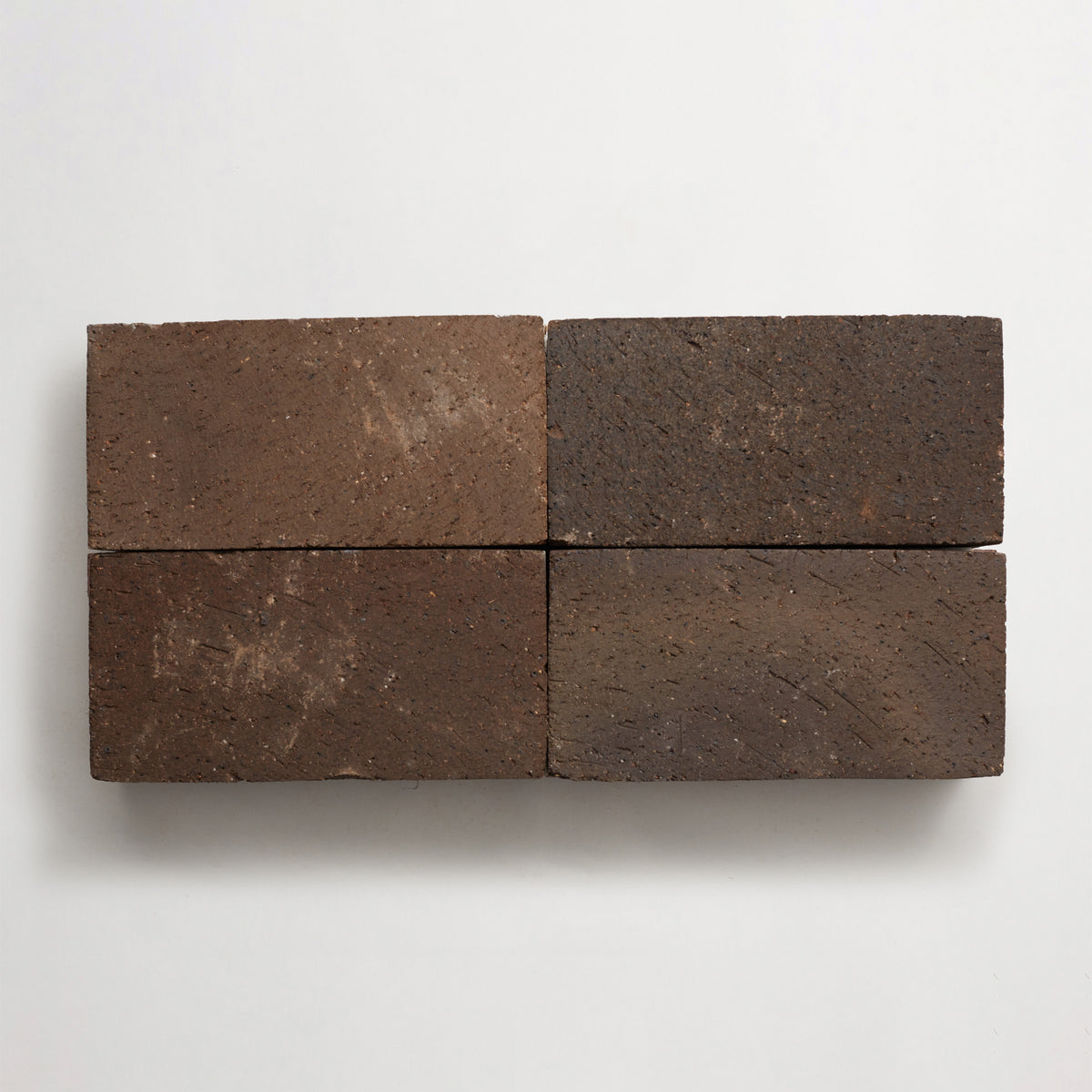
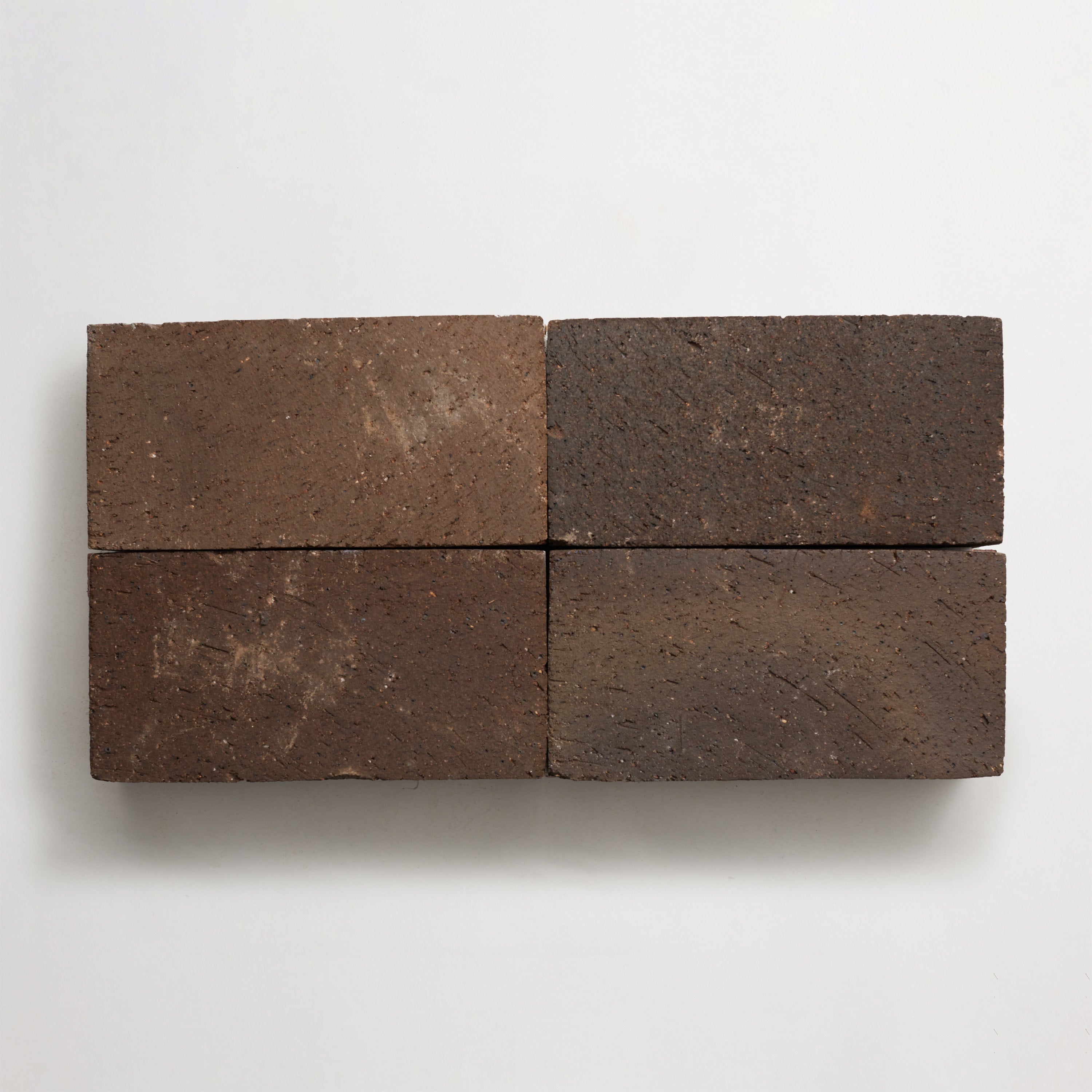
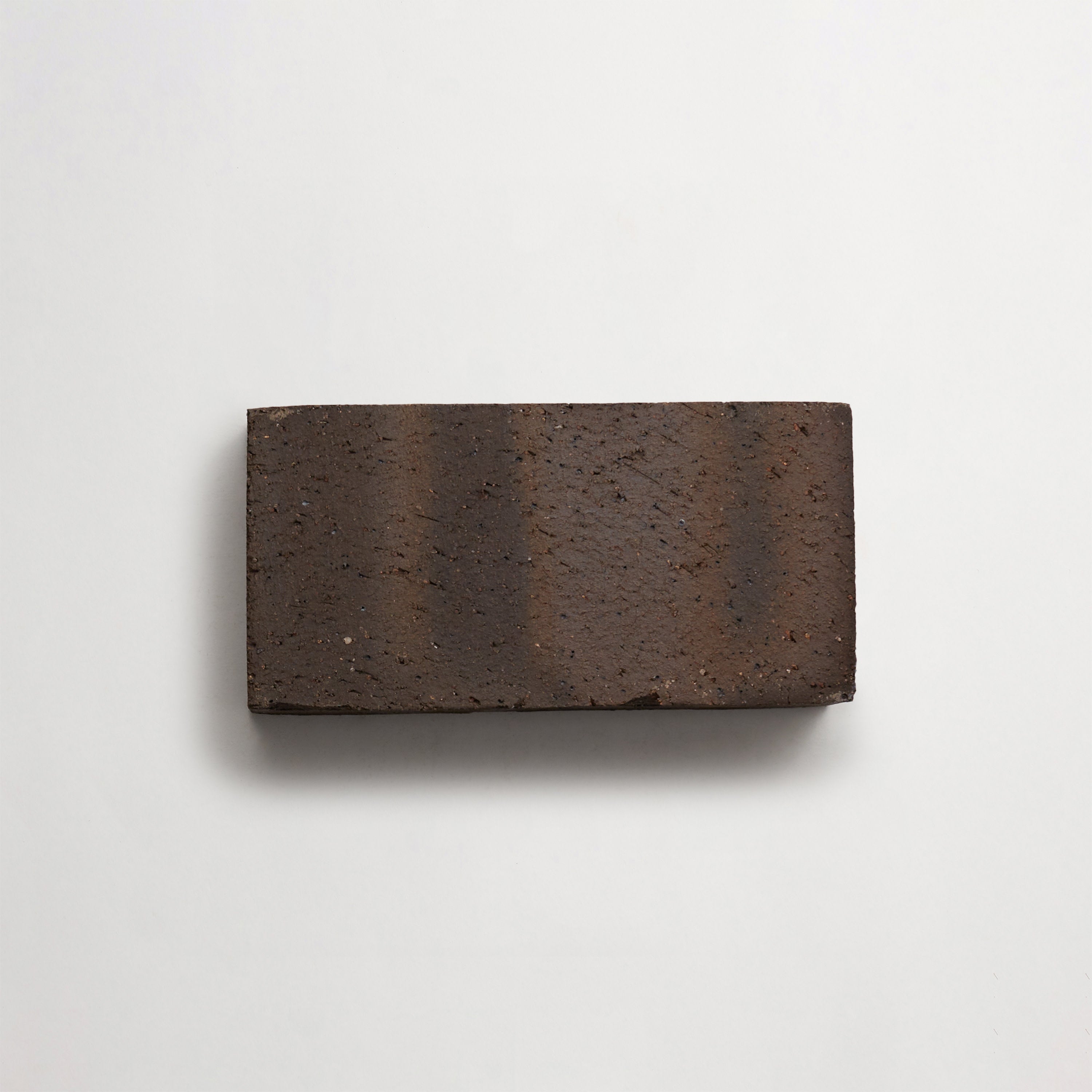
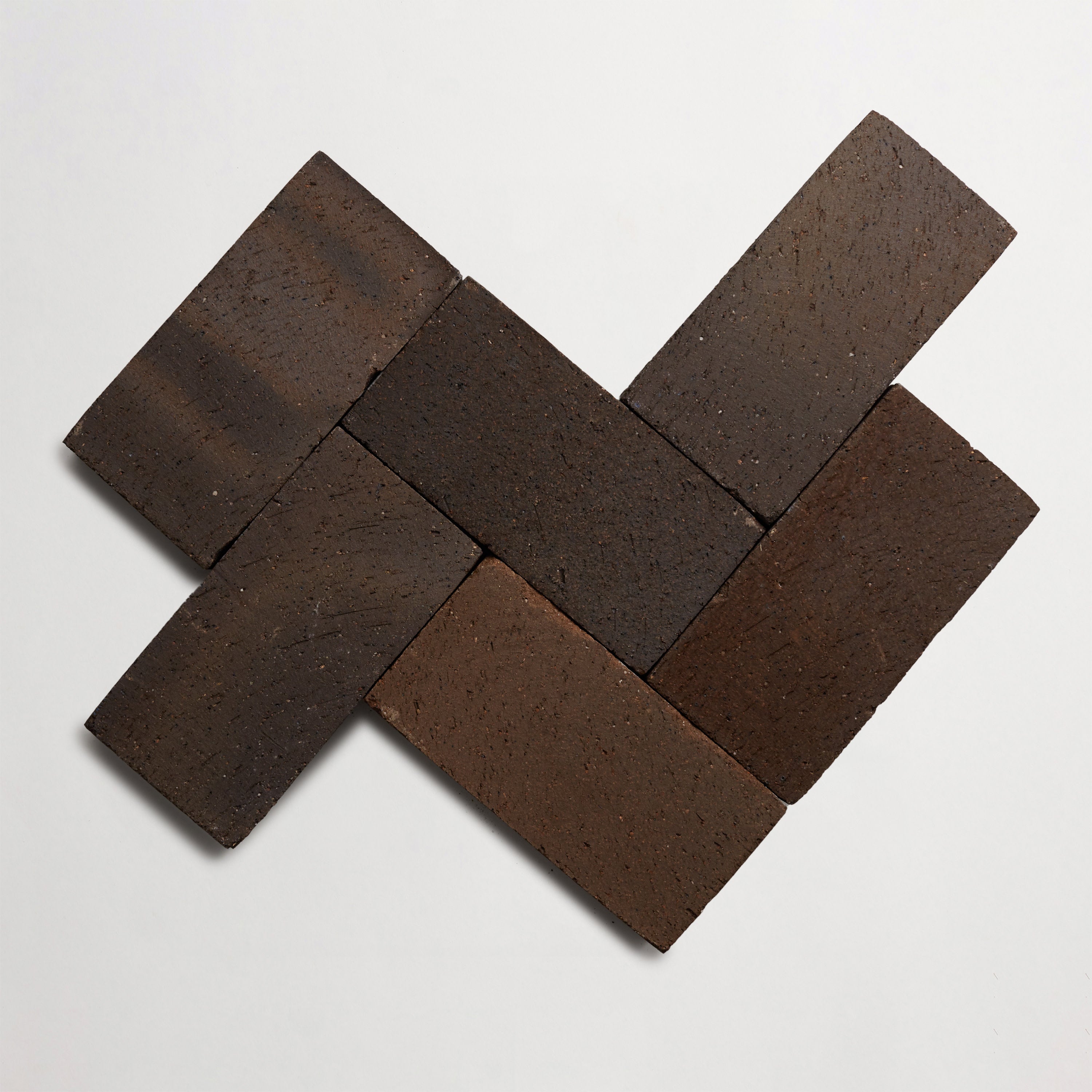
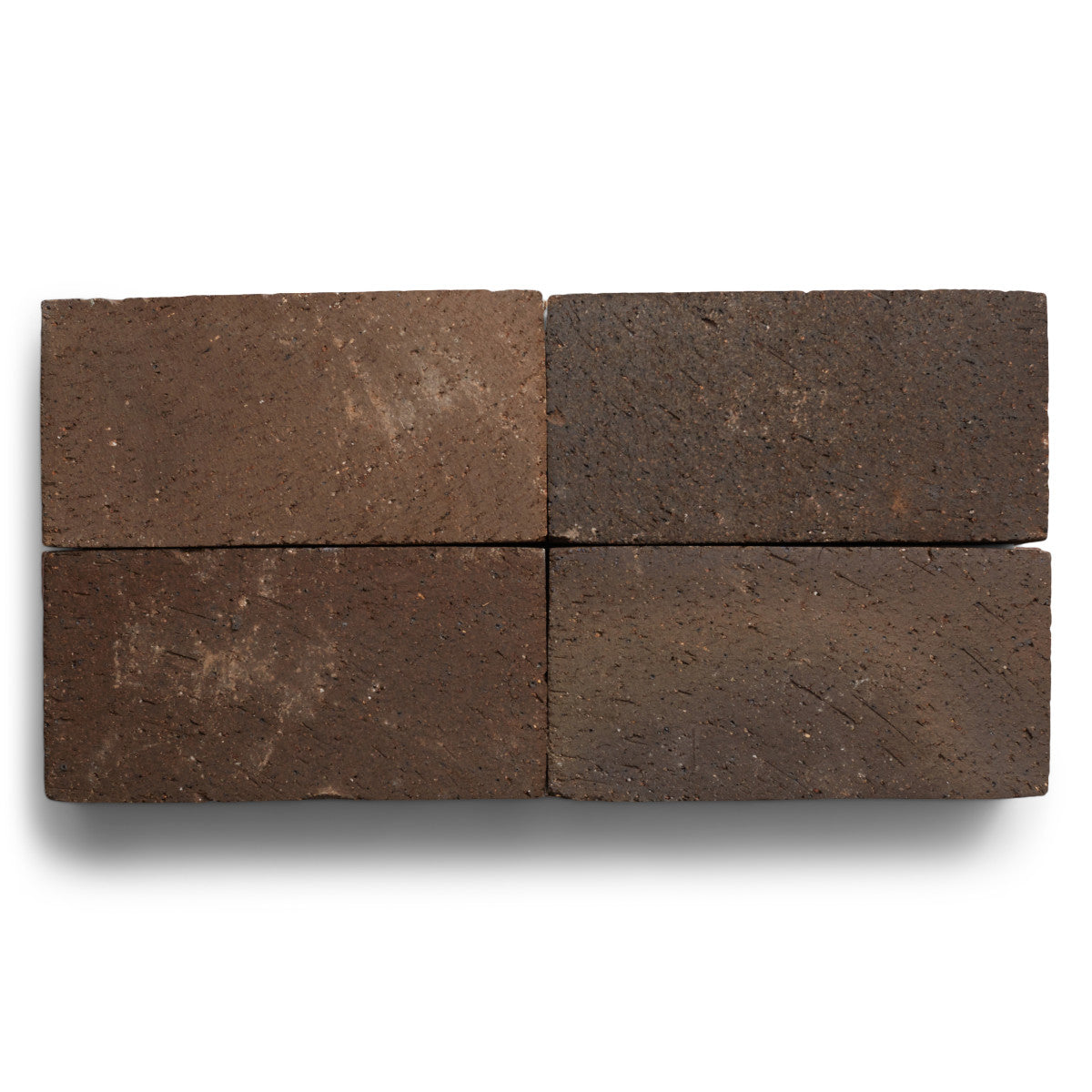
Our BrickWorks brick collection offers an artisan approach to these details, with warm, varied tones that bring depth and individuality to an exterior.
Reveals, Returns, and Shadow Lines
A thoughtful change of plane can make the transition between plaster and brick feel especially refined. Recessed reveals, returning edges, and subtle shadow lines give each material a distinct boundary while creating depth across the facade.
These details also require careful construction. Flashing and drainage where stucco meets brick should be planned and executed by experienced builders and masons.
Modern Stucco and Brick Exteriors
The modern interpretation of this pairing is rooted in restraint. Rather than introducing numerous finishes or decorative details, a contemporary facade lets a small material palette do the talking. Clear edges, purposeful proportions, and contrasting textures give the architecture its character.
Pale Plaster Against Charcoal Brick
One of the most striking modern stucco and brick exterior ideas pairs crisp, light-colored plaster with deep charcoal or near-black brick. The contrast feels architectural and composed, allowing the masonry to ground an otherwise light facade.
A white stucco and brick house is perhaps the clearest expression of this approach. White plaster reflects light and emphasizes clean geometry, while darker brick adds definition around the entry, foundation, or chimney.
One Tonal Family
Contrast doesn’t always require opposing colors. Keeping plaster and brick within a single tonal family creates a quieter composition, where texture and subtle shifts in shade provide visual interest. Warm whites, pale greys, and muted taupes can work together without making the facade feel overly uniform.
OUTERclé Modern Farmhouse Brick offers a natural complement to this approach. Its slim, glazed brick tile comes in soft whites and greys, introducing a crafted surface while maintaining a restrained palette.
Texture as the Accent
When color stays relatively consistent, texture becomes the defining feature. Smooth plaster alongside slim-format or handmade brick creates a layered effect without requiring additional colors or ornamentation.
The natural irregularities of artisan masonry are especially valuable here. Subtle differences in surface, edge, and finish keep a limited palette from feeling flat. It’s the perfect choice for a modern exterior that values material honesty over visual complexity.


Mediterranean and Old-World Pairings
Mediterranean and Old-World facades take a warmer, more relaxed approach. Plaster and brick feel rooted in place and craft, with softly weathered surfaces, earthy colors, and architectural details that appear to have developed over time. The goal is not perfect uniformity but a sense of natural continuity.
Warm Plaster and the Terracotta Palette
The Andalusian palette offers a particularly beautiful reference point: lime-washed plaster, terracotta, and shaded openings that create a welcoming interplay of light and warmth. Soft cream and sand-colored walls provide a backdrop for the deeper reds and burnt-orange tones of fired clay.
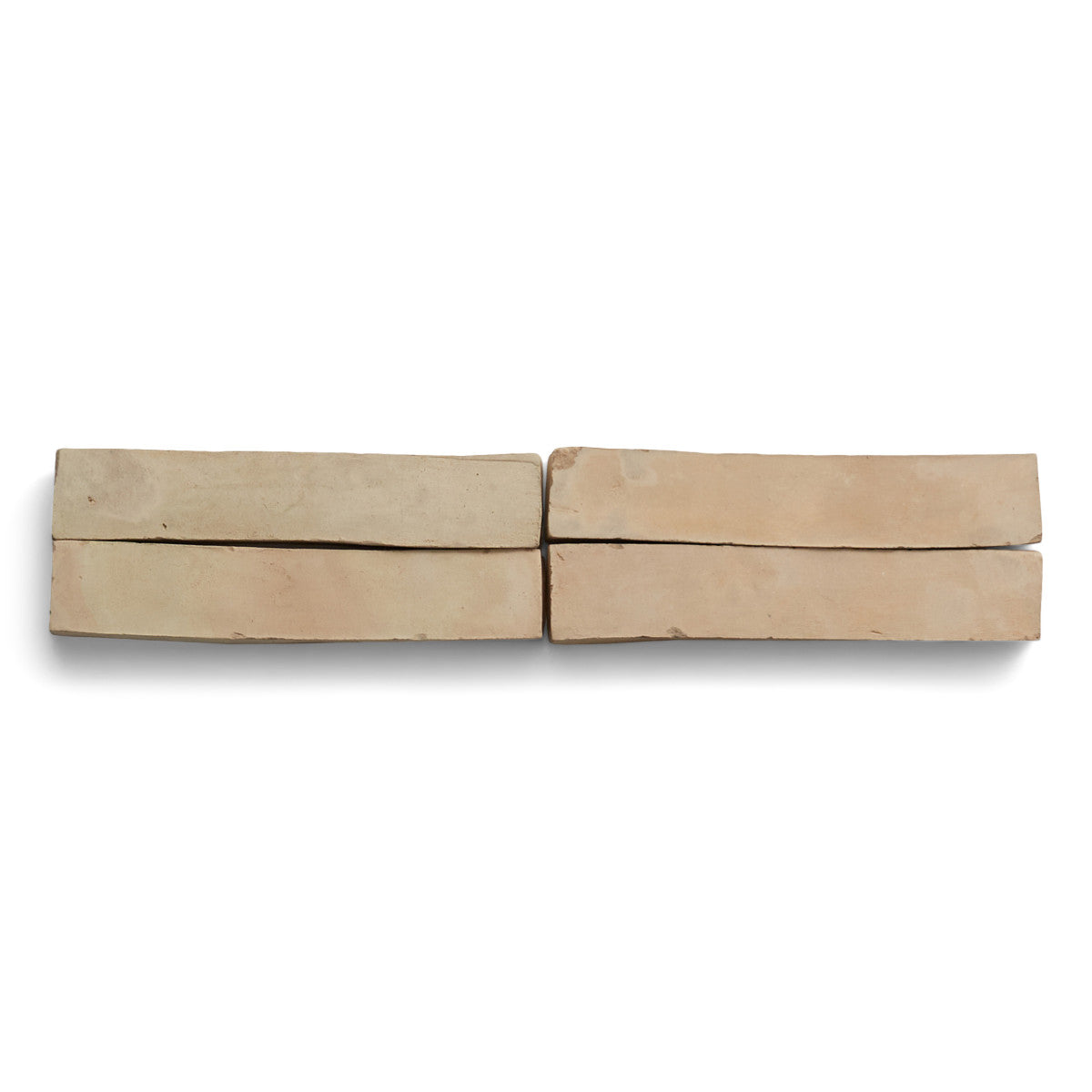
OUTERclé FezBrick and terracotta surfaces echo this tradition, bringing warmth and artisanal character to exterior compositions. These materials are a great option for projects that nod to Spanish architecture. For more inspiration, explore our list of Spanish courtyard ideas.
Arches, Quoins, and the Italian Villa
Brick-framed arches and brick quoins offer another way to bring Old-World character to a plastered exterior. In Italian villa architecture, masonry often emphasizes corners, openings, and structural transitions, giving otherwise simple walls a stronger presence.
Spanish Colonial traditions offer a similar vocabulary, with plastered walls punctuated by brick detailing and arched passageways. These features can be interpreted in a contemporary way, using carefully selected brick accents.
Stucco and Brick Color Combinations: Reading Tone and Finish
Successful stucco and brick color combinations begin with agreement between the two surfaces. Rather than selecting each color independently, treat brick as the starting point and choose plaster that responds to its undertones. The goal is a relationship that feels intentional, whether the palette is warm, cool, or neutral.
Reading the Brick First
Brick is often the more visually complex material, with variations in color that become apparent across individual pieces. Look closely at its underlying tones before selecting a stucco finish. Red and terracotta brick generally pair naturally with warm creams, while grey or charcoal brick can work beautifully alongside cooler whites and muted neutrals.
A little variation is welcome. The plaster doesn’t need to reproduce every shade in the brick; it simply needs to complement the overall palette. Our guide to exterior brick and paint color combinations offers additional guidance on building a cohesive exterior scheme.
Finish and the Way Light Moves
Color is only part of the equation. The finish of the plaster changes how light moves across the facade and interacts with adjacent brick. A smooth finish creates a relatively consistent plane, while a more textured finish introduces subtle shadows and tonal shifts throughout the day.
Consider the direction of natural light and the surrounding landscape when making this decision. A restrained, matte surface can emphasize the depth of brick, while a more pronounced plaster texture creates a layered, handcrafted appearance.
Trim, Door, and Metal
Trim, the front door, and metal fittings should act as quiet punctuation rather than competing colors. Natural wood, dark bronze, and understated black hardware can reinforce either a warm or cool material palette. Keeping these secondary elements restrained allows the relationship between plaster and brick to remain the defining feature of the facade.

How the Pairing Ages
A stucco and brick exterior should be considered with time in mind. Both materials develop character as they weather, but they do so differently. Brick gradually softens and deepens, while plaster requires a more considered rhythm of care to maintain its appearance. Their evolving surfaces are part of the appeal.
Weathering Side by Side
Brick develops patina through years of exposure, with natural variation becoming part of its visual character. Artisanal brick is especially appealing in this respect because its subtle differences in tone and texture give the facade depth from the beginning.
Plaster changes differently, responding to moisture, sunlight, and environmental conditions. Together, these surfaces can create an exterior that feels increasingly connected to its surroundings. The key is selecting materials and finishes suited to the home’s climate.
A Rhythm of Care Worth Planning For
Neither material should be treated as entirely maintenance-free. Periodic inspections and attention to any deteriorated areas will help preserve the integrity of the facade. Repairs to plaster and masonry are best handled by experienced professionals, of course.
Planning for this care from the beginning makes it easier to maintain the original composition over time. Rather than viewing maintenance as a drawback, consider it part of the stewardship of an exterior designed to age gracefully.
Carrying the Facade Into the Ground
The material story shouldn’t stop where the house meets the landscape. An entry, walkway, and courtyard can extend the same visual language, creating a natural connection between architecture and garden. This is where stucco and brick exterior ideas become especially compelling.
Entry Steps and Walkways That Echo the Wall
Carrying the brick tone from the facade into entry steps or a walkway creates continuity without requiring an exact match. A complementary format, finish, or shade can make the transition feel natural while allowing the paving to have its own character.
OUTERclé BrickWorks offers an artisanal option for extending that masonry language into exterior paving. Its warm, varied tones can echo the brick on the facade, tying the home’s architecture to the path leading toward it. Explore more possibilities in our guide to brick entryway ideas.
Courtyard Walls and Accent Surfaces
Plastered garden and courtyard walls provide another opportunity to bring the material palette beyond the home itself. Brick detailing, terracotta accents, and exterior tile can introduce texture around seating areas, outdoor kitchens, and shaded passageways.
The OUTERclé exterior wall tile collection offers additional ways to carry a considered surface palette into these spaces. Across the facade and garden, different colors, finishes, and types of tile can work together to create a landscape that feels connected rather than separately designed.


One Facade, Two Voices
Stucco and brick each bring something distinct to an exterior: one offers a continuous, quiet surface, while the other introduces depth, rhythm, and the character of fired clay. Their strongest compositions begin at the point where those voices meet, then carry the same material story from the facade to the walkway and courtyard.
The result is a home that feels connected to its architecture and landscape, with surfaces that invite a closer look and become more expressive with time.
Explore the facade collection that carries one material story from wall to walkway.
Frequently Asked Questions About Stucco and Brick
Can You Stucco Over Brick?
Yes, stucco can be applied over certain existing brick surfaces, provided the substrate is sound and properly prepared. The process depends on the brick’s condition, moisture characteristics, and the requirements of the stucco system. An experienced professional should evaluate the wall and determine the appropriate approach.
Should Brick Be Painted or Limewashed on a Stucco and Brick Home?
Both options change the appearance of brick, but they create different effects. Paint provides a more opaque, uniform color, while limewash offers a softer, more nuanced finish that allows some of the underlying masonry character to show through. Consider the existing brick, desired aesthetic, and long-term maintenance before deciding.
Can You Add Brick to an Existing Stucco House?
Yes. Brick can be introduced to an existing stucco home as an accent, around an entry, or along the foundation. The addition requires careful planning to ensure proper attachment, flashing, and drainage. A qualified builder or mason can determine which installation approach is appropriate for the existing wall assembly.
Can Artisan Brick Tile Clad an Exterior Wall Alongside Stucco?
Artisan brick tile can complement stucco on an exterior wall when the product is designed and rated for the intended application. The substrate, installation system, waterproofing, and detailing all matter. Consult the manufacturer and an experienced installer to confirm suitability and ensure the two finishes meet properly.
How Do Stucco and Brick Perform in Different Climates?
Both materials can perform well across a range of climates when correctly specified and installed. However, local conditions influence material selection and detailing. Freeze-thaw cycles, rainfall, humidity, and intense sun all deserve consideration. Proper drainage, flashing, expansion detailing, and periodic professional inspections will help protect the exterior over time.
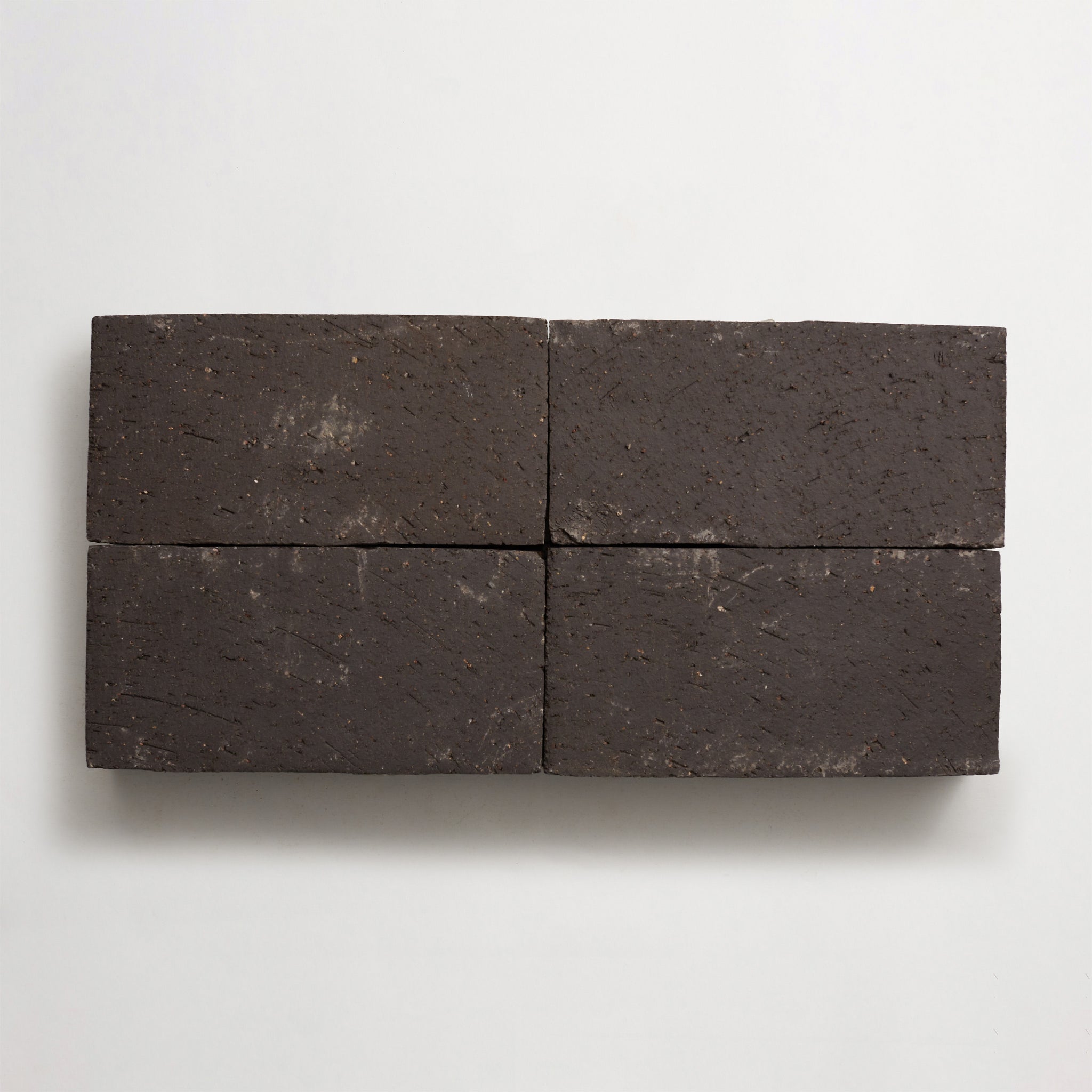
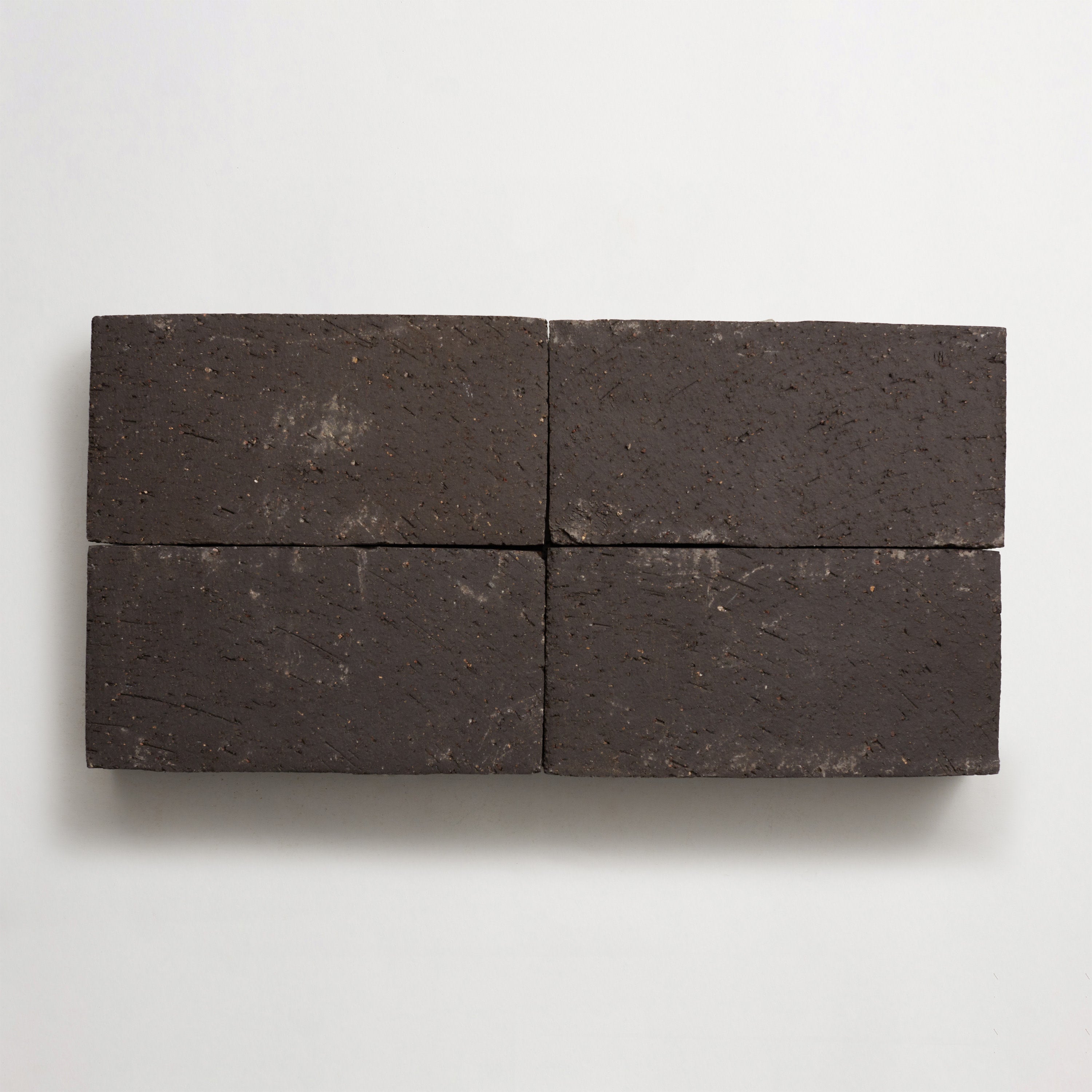
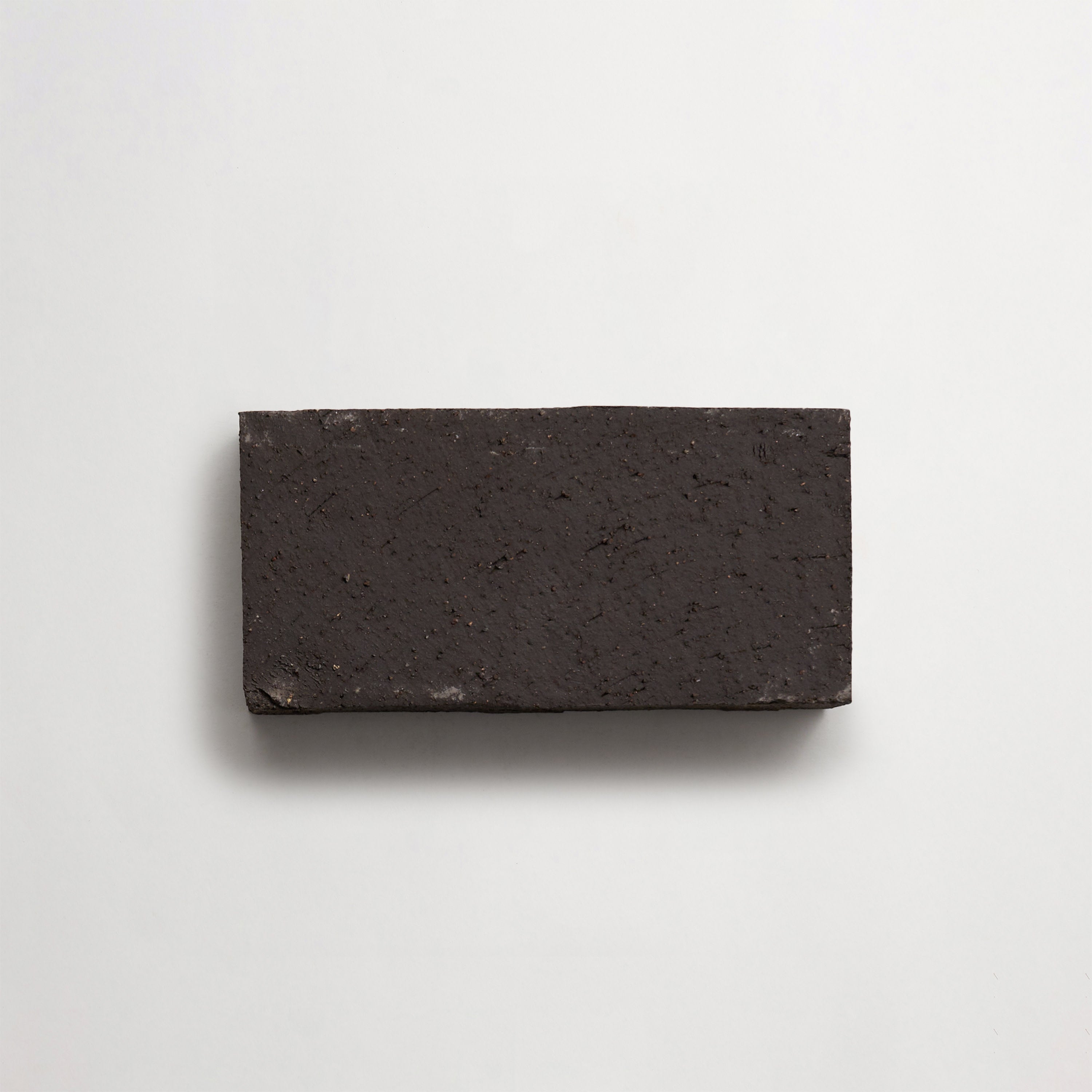
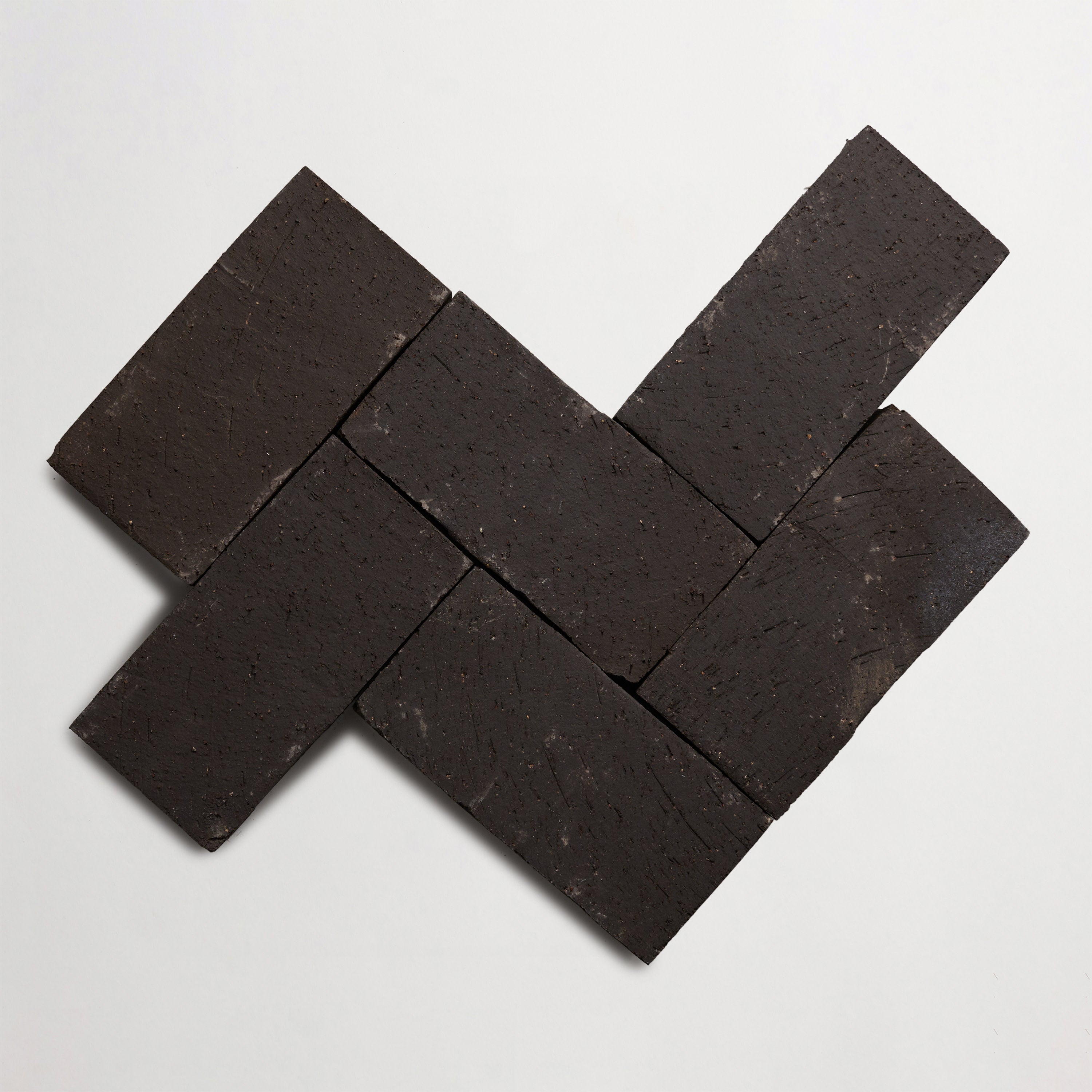
Colorway
-
Scorched Earth
Collection
-
BrickWorks
:
Sub Collection
-
le Disque
Material
Length
-
4
" x
Width
-
4
" x
Thickness
-
¼
"
Unit of Measurement
-
sqft
/
Price per Unit
$


Colorway
-
Natural (Unglazed)
Collection
-
FezBrick
:
Material
Length
-
8
" x
Width
-
8
" x
Thickness
-
⅞
"
Unit of Measurement
-
sqft
/
Price per Unit
$
Colorway
-
Sequoia Grove
Collection
-
BrickWorks
:
Sub Collection
-
Torrone II
Material
Length
-
4
" x
Width
-
16
" x
Thickness
-
¾
"
Unit of Measurement
-
sqft
/
Price per Unit
$