

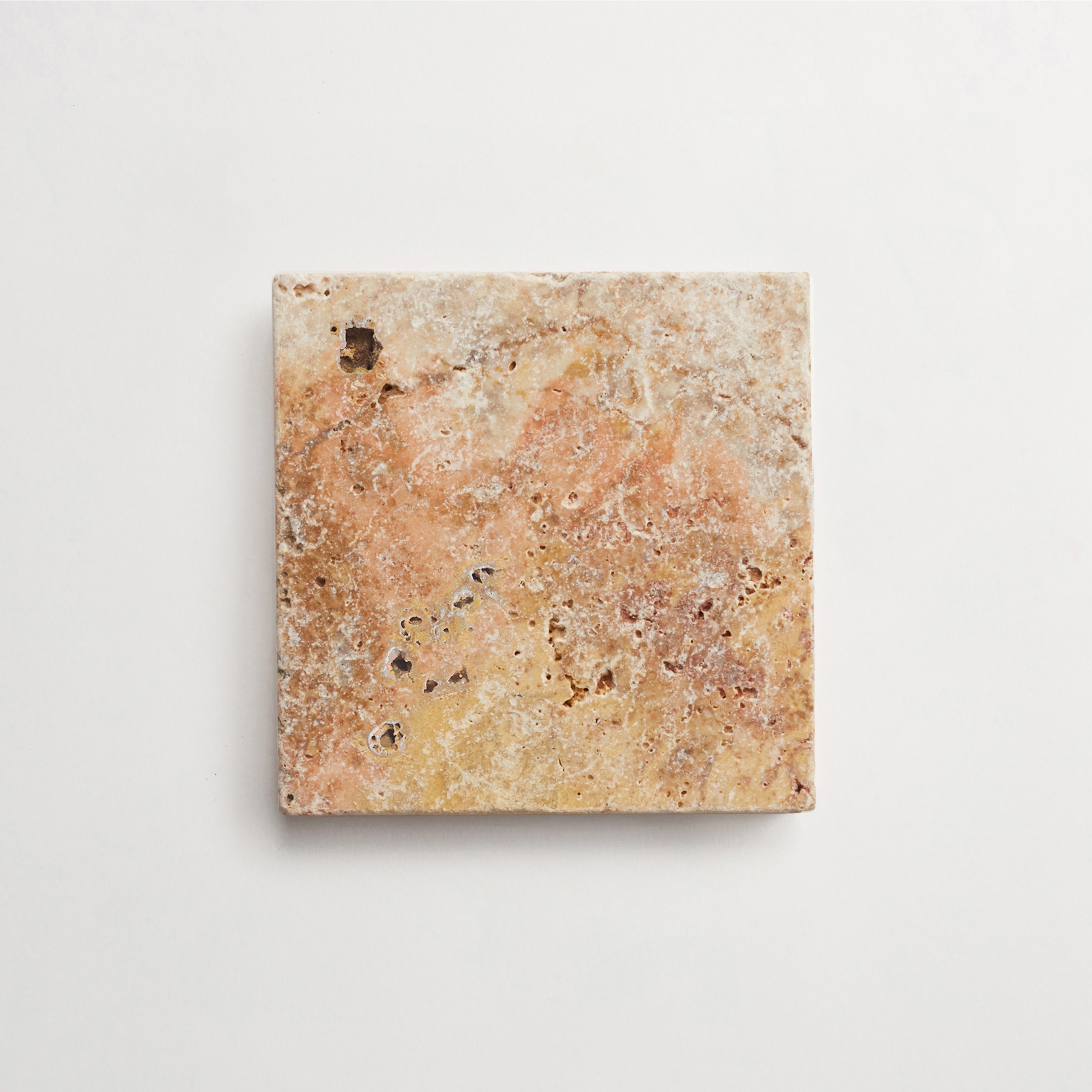
Lapidary, 2x6" Baguette, Beige Travertine, Honed
Is a Travertine Pool Deck Right for You? Pros, Cons & Design Ideas
Travertine is a natural limestone tile formed by mineral deposits, prized for pool decks because it stays cool underfoot, offers natural slip resistance, and delivers a timeless, resort-like look. But is it the right choice for your space, climate, and budget?
This guide breaks down the travertine pool deck pros and cons, what you can expect in material and labor costs, and how to use it in design-forward ways that complement your home and landscape. Whether you’re planning a new pool or updating an existing one, this overview will help you decide if travertine is a smart long-term investment.
Discover how our artisan-crafted travertine can transform your pool deck into a timeless outdoor sanctuary.


Is Travertine the Right Material for Your Pool Deck?
Before deciding, it helps to understand what travertine is, how its natural composition performs outdoors, and how it stacks up against other common pool deck materials.
What Is Travertine and Why Is It Popular for Pools?
Some of you may be wondering, "What is travertine?" A travertine pool deck is a surface made from natural limestone pavers (typically in pavers or tiles in shapes such as squares, planks, and hexagons) installed around a pool (it also works for pool coping) for walking, lounging, and entertaining. It's designed to handle outdoor exposure and bare-foot traffic.
Homeowners choose travertine because it combines a high-end look with practical performance. It stays cooler than many other materials, provides natural slip resistance, and comes in neutral, earthy tones that work with a wide range of home styles—from classic Mediterranean to clean, modern landscapes.
Understanding Its Natural Qualities and Outdoor Benefits
One of travertine’s most prized functional benefits is that it stays relatively cool under direct sun, so bare feet remain comfortable even on hot summer days. Its naturally textured surface provides good traction when wet, as well, improving poolside safety. Travertine is also durable and tolerates exposure to pool chemicals, rain, and routine temperature swings when it’s properly installed and maintained.
How Travertine Compares to Other Pool Deck Materials
Compared to porcelain, travertine is warmer in appearance and more naturally varied. Meanwhile, porcelain is lower-porosity and often easier to maintain. That said, porcelain can look manufactured and occasionally gets hotter on the surface depending on the finish and color.
Against concrete pool deck pavers, travertine offers a more refined and high-end aesthetic. Concrete may come in at a lower price point, but it can be prone to cracking and feel hotter underfoot.
Compared to other natural stones, travertine usually stays cooler than darker granites and offers better barefoot comfort. It may require more sealing than dense limestones or granites. And just like other stones, stain removal is best handled with specialized cleaners.
If you're comparing a limestone vs travertine pool deck, both are excellent choices — but travertine is an especially great option.
Pros of a Travertine Pool Deck
As you consider a travertine vs concrete pool deck (or any other material, for that matter) it’s helpful to consider travertine’s unique advantages.
Slip Resistance and Safety
- Naturally textured surface provides strong traction, even when wet.
- One of the more slip-resistant outdoor tiles for pool surrounds.
- Tumbled or honed finishes further improve grip.
- Ideal for family-friendly spaces with frequent barefoot traffic.
Cooling Surface for Barefoot Comfort
- Reflects heat rather than absorbing it, staying noticeably cooler than concrete.
- Comfortable to walk on during hot weather—no “scorching” effect.
- Helps create a more enjoyable lounging environment around the pool.
Natural Aesthetic and Design Versatility
- Warm, earthy tones (ivory, beige, walnut) complement water, greenery, and wood.
- Works across styles—from Mediterranean to modern to transitional.
- Each stone has natural variation, giving the deck a high-end, custom look.
- Timeless appearance that doesn’t trend-date quickly.
Long-Term Durability and Climate Performance
- Holds up well in sun exposure and typical outdoor conditions.
- Resistant to fading and generally tolerant of pool chemicals when sealed.
- Dense structure resists cracking better than many poured surfaces.
- Can last decades with proper installation and care.
Explore curated travertine selections designed for lasting beauty and architectural impact.

Cons of a Travertine Pool Deck
Travertine performs beautifully, but it’s not maintenance-free:
Maintenance and Sealing Requirements
- Porous material must be sealed to prevent moisture and stain absorption.
- Resealing typically needed every 1–2 years, depending on climate and use.
- Requires routine cleaning to prevent buildup in the textured surface.
- Not ideal if you want a completely “set-it-and-forget-it” material.
Risk of Etching or Staining Without Proper Care
- Sensitive to acidic substances (citrus, vinegar, harsh cleaners).
- Can develop dull spots or etching that mar travertine's finish if spills aren’t cleaned promptly.
- In freeze–thaw climates, moisture intrusion can lead to surface damage.
- Proper sealing reduces risk but doesn’t make it maintenance-proof.
Upfront Costs Compared to Alternatives
- Higher initial material and installation cost than concrete or basic pavers.
- Installation requires skilled stone setting for best performance.
- Long lifespan (often 20–25+ years, especially when set over concrete) helps offset the initial investment.
- Best suited for homeowners prioritizing longevity and aesthetics over lowest cost.
Bottom line: When designing with outdoor floor tiles, travertine is an excellent choice because it offers a premium look and great poolside performance. It rewards homeowners who are willing to invest in both upfront cost and ongoing care.


Travertine Pool Deck Cost: Materials, Labor, & Installation Factors
Cost per sq ft range (material + installation)
For a travertine pool deck, typical installed costs (materials + labor + basic prep) generally fall into a mid-to-premium range compared with other decking options. In many parts of the U.S., homeowners can expect roughly $25–$42+ per sq ft installed for travertine pavers around a pool, though site conditions and design choices can push that number higher.
Depending on region and material grade, some local contractors also quote travertine pool deck installs in the $15–$28 per sq ft range, especially for simpler layouts or standard stone grades.
Factors affecting cost: thickness, finish, coping type, region
- Stone grade & finish: higher-grade travertine with consistent color and refined finishes costs more per sq ft than basic tumbled stone.
- Thickness & tile size: thicker pavers and larger formats generally cost more in materials and require more precise installation.
- Coping and edge detail: integrating matching travertine coping around pool edges or bullnose details adds per linear foot expenses.
- Site prep & region: excavation, drainage work, difficult access, and local labor rates can significantly increase total cost, especially in urban or coastal markets.
Comparison chart: travertine vs concrete vs porcelain
| Material | Typical Installed Cost | Durability & Maintenance | Aesthetic |
|---|---|---|---|
| Travertine | ~$25–$42+/sq ft (varies by grade & region) | Good with sealing; needs periodic maintenance | Natural, warm, timeless |
| Concrete | ~$8–$20+/sq ft installed (varies widely) | Durable but prone to cracking without reinforcement | Budget-friendly but basic |
| Porcelain | ~$28–$45+/sq ft installed | Highly stain/salt resistant; low maintenance | Modern and consistent |
Concrete remains the most affordable pool deck surface, but travertine and porcelain both position higher on the design and performance spectrum, with porcelain generally outperforming in low-maintenance environments and travertine offering classic natural stone appeal.
This gives you a realistic sense of what to expect when budgeting for a travertine pool deck, and how it compares with other common materials used around pools.
Design Inspiration for a Travertine Tile Pool Deck
Here’s how travertine can shape the overall look and feel of your pool deck, from layout choices to the styles it complements best.
Consider a Classic Mediterranean Aesthetic
For a travertine tile patio or pool deck that exudes timeless elegance, think about a quintessential Mediterranean aesthetic. Travertine's warm, earthy tones are perfectly suited to the rustic yet refined style synonymous with mediterranean design. Use tumbled or brushed travertine tiles to achieve a weathered, old-world charm that complements the natural surroundings.
To reinforce this look, favor modular layouts such as a French pattern (Versailles set) or mixed-size rectangles, which create subtle movement without feeling busy. Keep grout tones close to the stone color for a blended surface, and use larger field tiles in open areas while reserving smaller pieces for borders or transitions to maintain a sense of structure and proportion.
Pair the tiles with accents like wrought iron furniture, terracotta pots filled with lush greenery and cascading water features for an authentic touch. Incorporate curved or arched design elements, such as coping for around the pool or pergolas, to enhance the mediterranean feel. For added visual interest, consider a decorative travertine tile border or a mosaic inset, evoking the artistry often found in mediterranean architecture.
Go Modern Minimalist
Some people ask "is travertine tile outdated?" but even a modern travertine pool deck can be truly timeless. Focus on clean lines, neutral tones and a seamless connection between the pool and surrounding landscape. Choose light-colored travertine tiles, such as soft beige or pale grey, to create an airy and open feel, allowing the simplicity of the stone to shine. Opt for large-format, unpolished or honed tiles to reduce grout lines and create a sleek, uninterrupted surface that emphasizes minimalism. Incorporating subtle textures, like matte or brushed finishes, can add depth without detracting from the overall simplicity.
To support a modern layout, use oversized rectangular tiles in a stacked or linear pattern to reinforce strong architectural lines. Minimize transitions and borders so the deck reads as one continuous plane, and align joints with the geometry of the pool and home to create a calm, intentional rhythm.
Surround the pool with minimalist landscaping—such as sculptural plants, geometric planters or gravel accents—to keep the focus on the elegance of the travertine. This design philosophy fosters a serene, uncluttered atmosphere, perfect for a contemporary outdoor retreat where less is truly more.
Create a Natural Oasis
Embrace the organic beauty of the stone by blending it seamlessly into the surrounding landscape. Travertine in earthy tones like warm beige, soft taupe, or rich honey will mirror the natural elements of the outdoors, creating a tranquil and harmonious environment. Incorporate textured or tumbled travertine tiles to enhance the rustic feel, offering a weathered, naturally worn look that complements the natural surroundings.
To augment the landscape-driven feel, use modular or French-pattern layouts that avoid rigid repetition and echo the irregularity of nature. Allow planting beds, gravel joints, or soft transitions at the edges so the hardscape dissolves gently into the garden rather than reading as a defined border.
Encircle the pool (or hot tub–natural hot springs vibe, anyone?) with lush greenery, tropical plants and natural wood accents to further evoke an escape into nature. Add water features like waterfalls or stone fountains to enhance the serene ambiance. For more ways to integrate stone and other natural elements into your outdoor space, check out these hardscaping ideas for inspiration. You’ll create a peaceful retreat where the pool area feels like an extension of the natural world, offering a perfect blend of luxury and earthy beauty.
Experiment with Mixed Materials
To elevate the design of a travertine tile pool deck, consider experimenting with mixed materials to add texture and contrast. Combining travertine with other natural materials, like wood or stone, can create a more dynamic, layered look.
For instance, pair the warmth and elegance of travertine with sleek, contemporary wood decking for a modern, yet earthy feel. You can also integrate stone accents, such as granite or slate, to define different zones within the pool area. You might create a distinct lounging space, incorporate contrasting stone steps, or add decorative feature like a firepit. Mixing materials allows you to play with both color and texture, creating a balanced and visually engaging design. (Be sure to consider heat absorption of other materials to maintain a cool deck.) These elements, alongside the timeless beauty of travertine, add depth and complexity, making your pool deck feel uniquely tailored to your personal style and outdoor environment.
For layout guidance, use travertine as the primary field tile and place secondary materials in borders, transition zones, or feature areas. Keep heat absorption in mind for comfort, and balance colors and textures so each material enhances the overall cohesion without overwhelming the timeless look of the travertine.
Finding the best tile for pool decks depends on a host of factors, from your preferred design tastes to safety, maintenance and climate considerations. OUTERclé specializes in premium natural stone exterior surfaces, including those ideal for pool decks, such as travertine: high-quality, durable and artisanally crafted.
A classic choice that lasts
Travertine tile for pool deck applications is a compelling choice. Its naturally cool, textured surface, warm tones, and durable performance create a comfortable, elegant outdoor space that wears well with the right installation and care. With proper selection of finish and thickness, plus routine sealing and correct installation for your climate, travertine delivers long-lasting beauty and barefoot comfort that many manufactured alternatives simply cannot match.
Ready to elevate your outdoor design? Begin with our exclusive travertine tile collections.
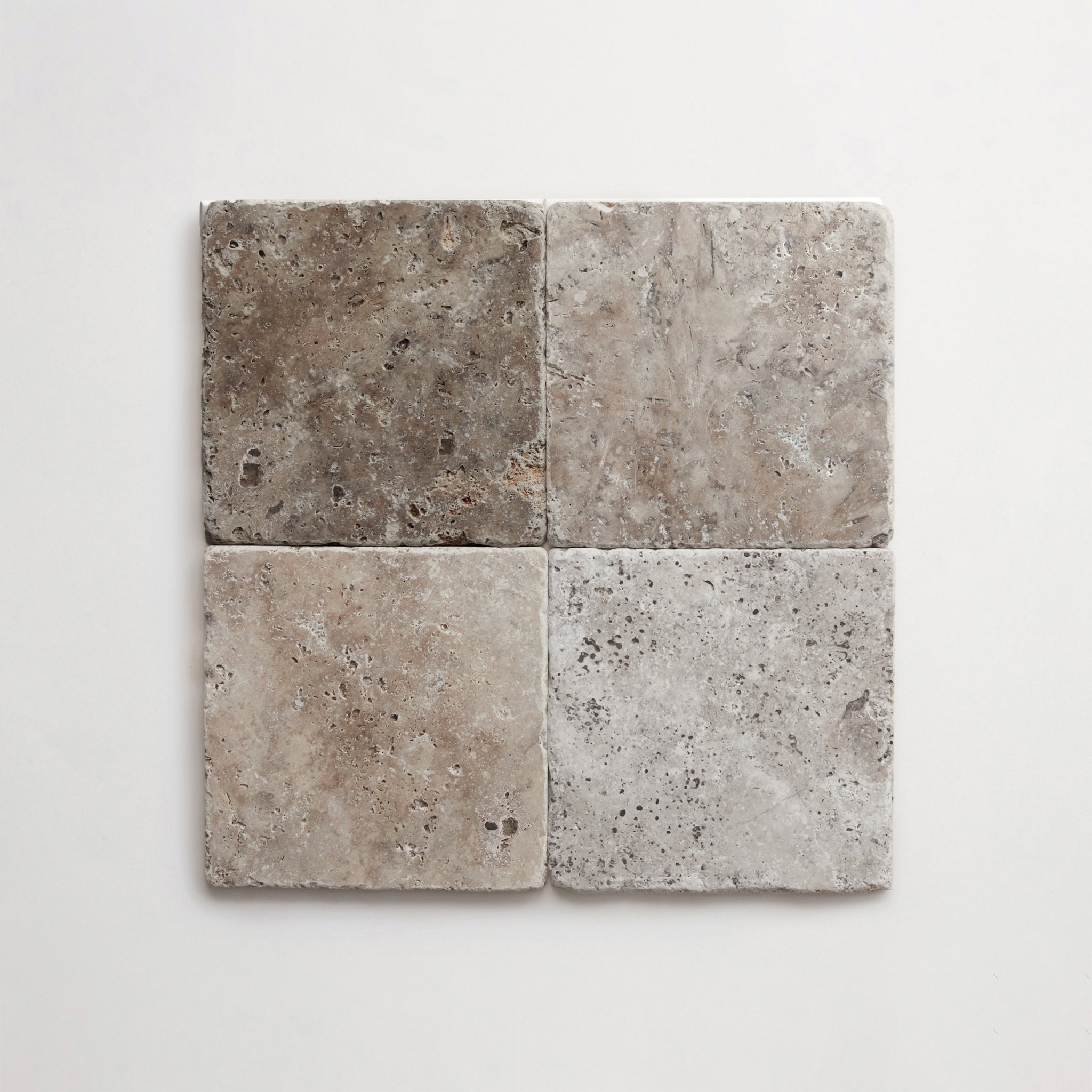
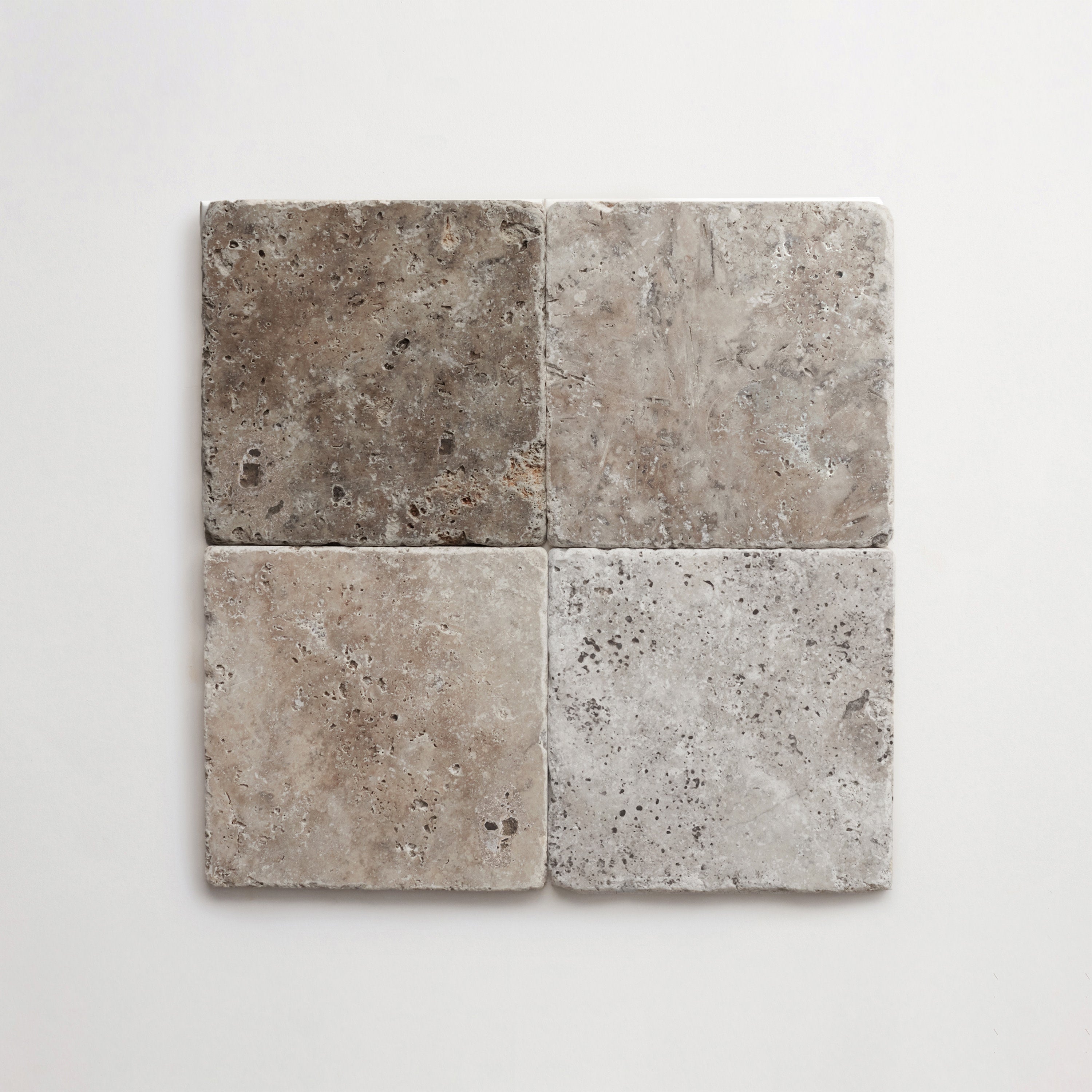
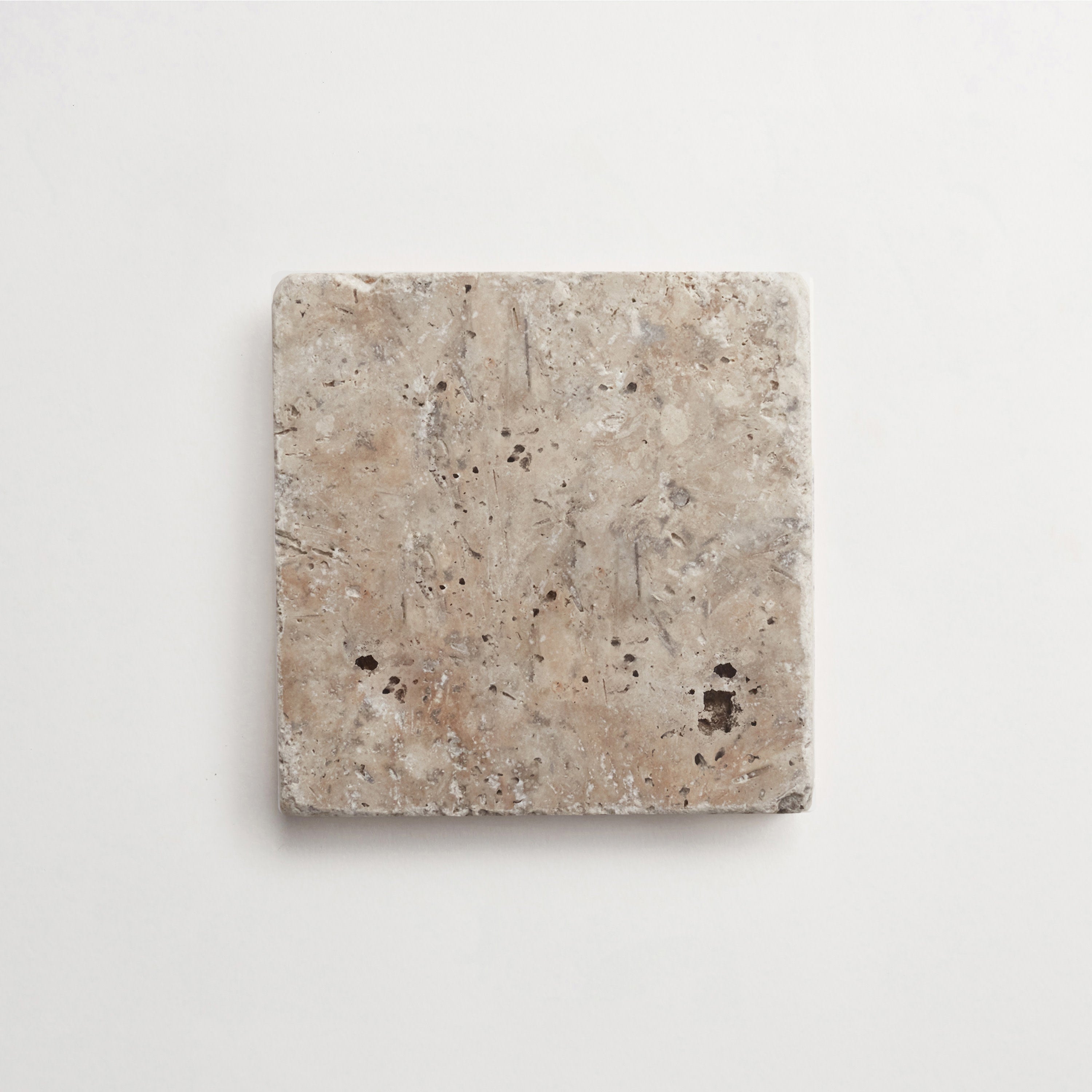
Colorway
-
Shale
Collection
-
Pemberley Pavers
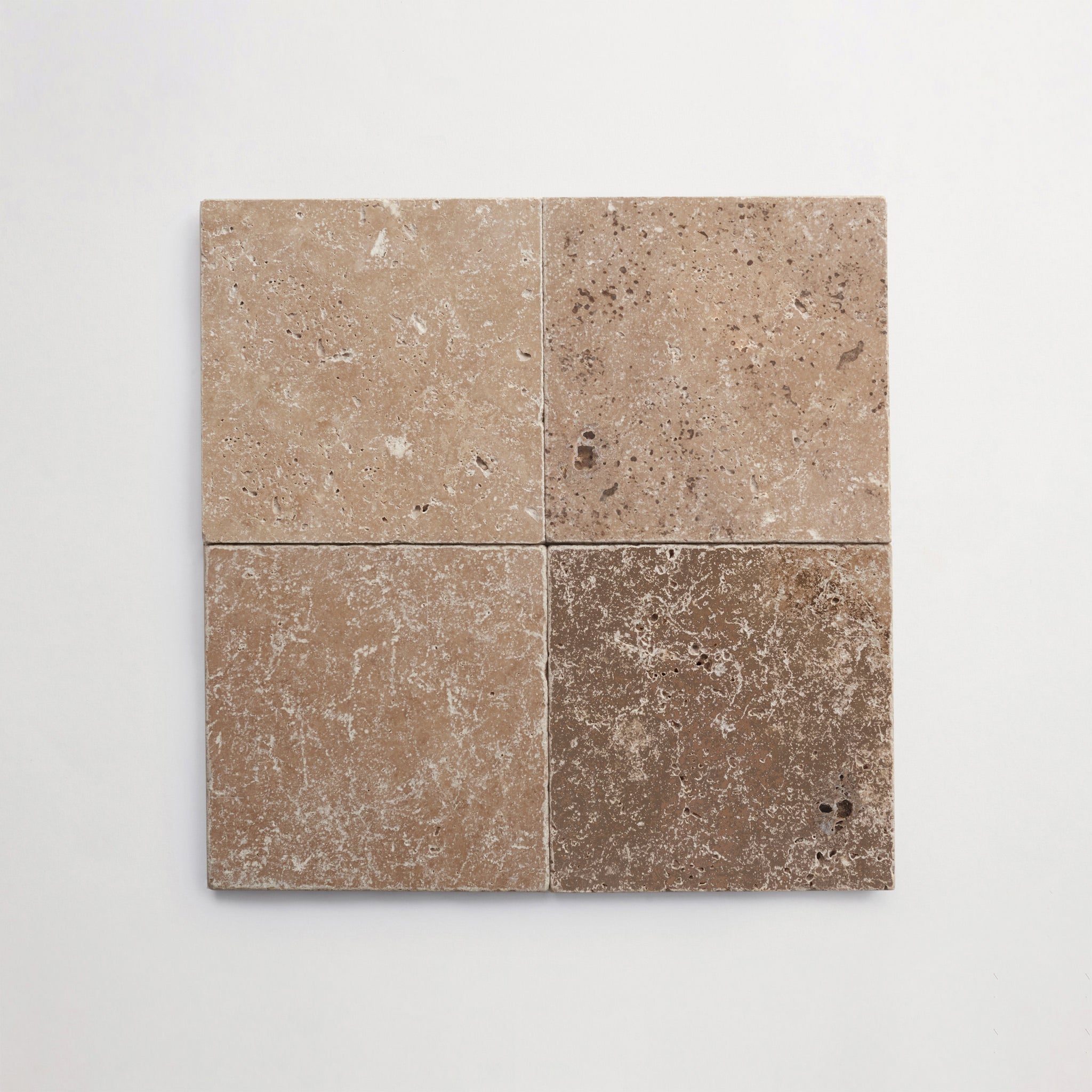
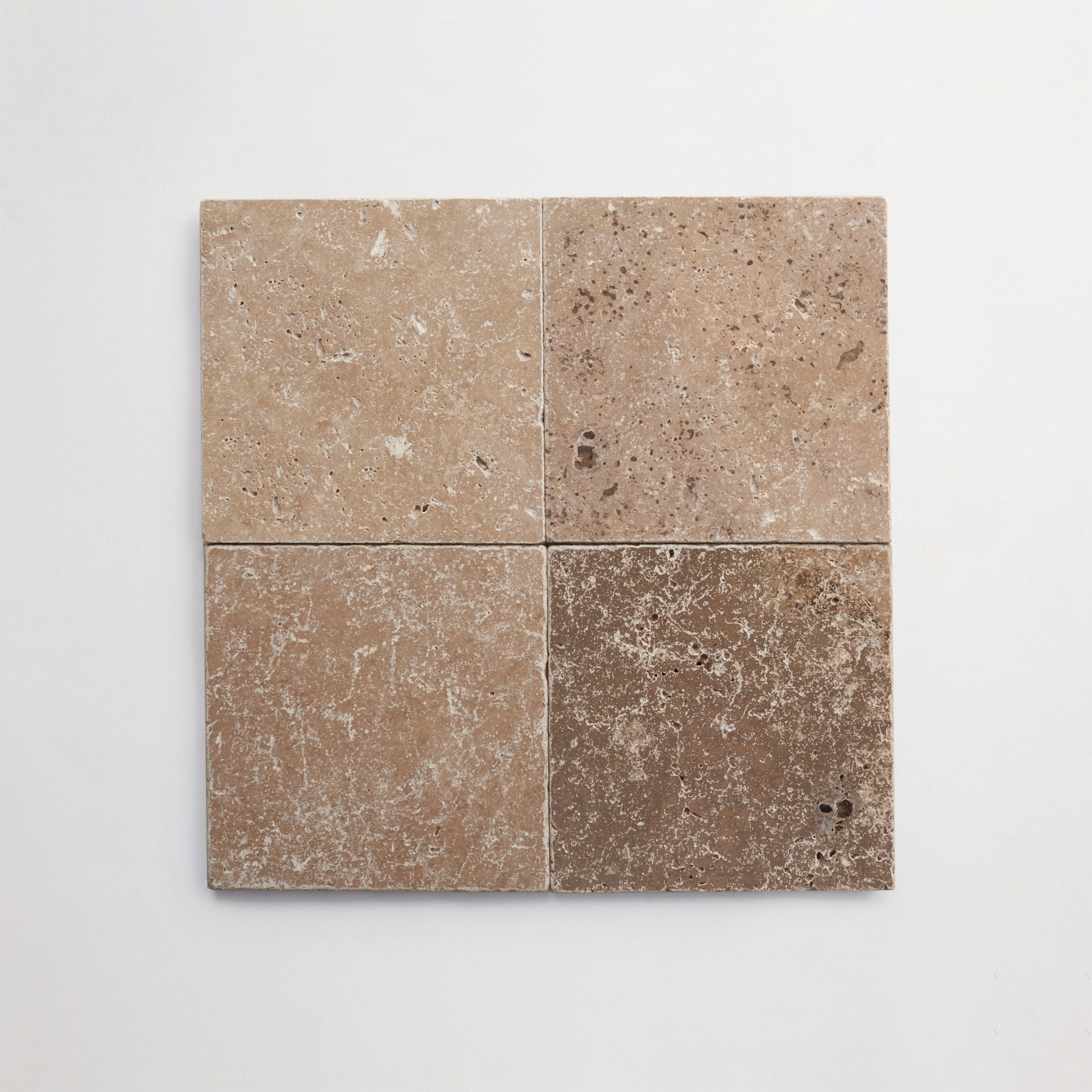
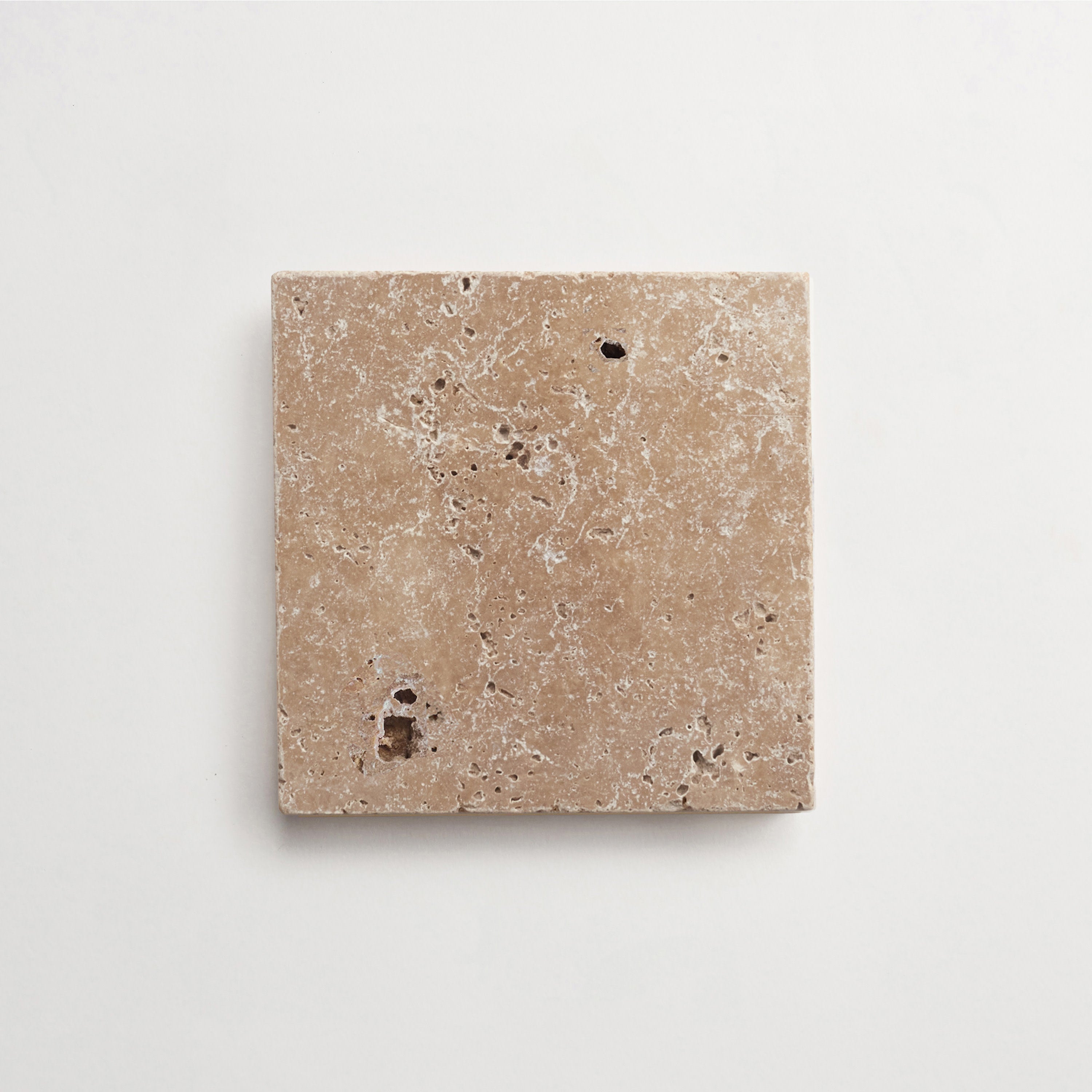
Colorway
-
Sand
Collection
-
Pemberley Pavers
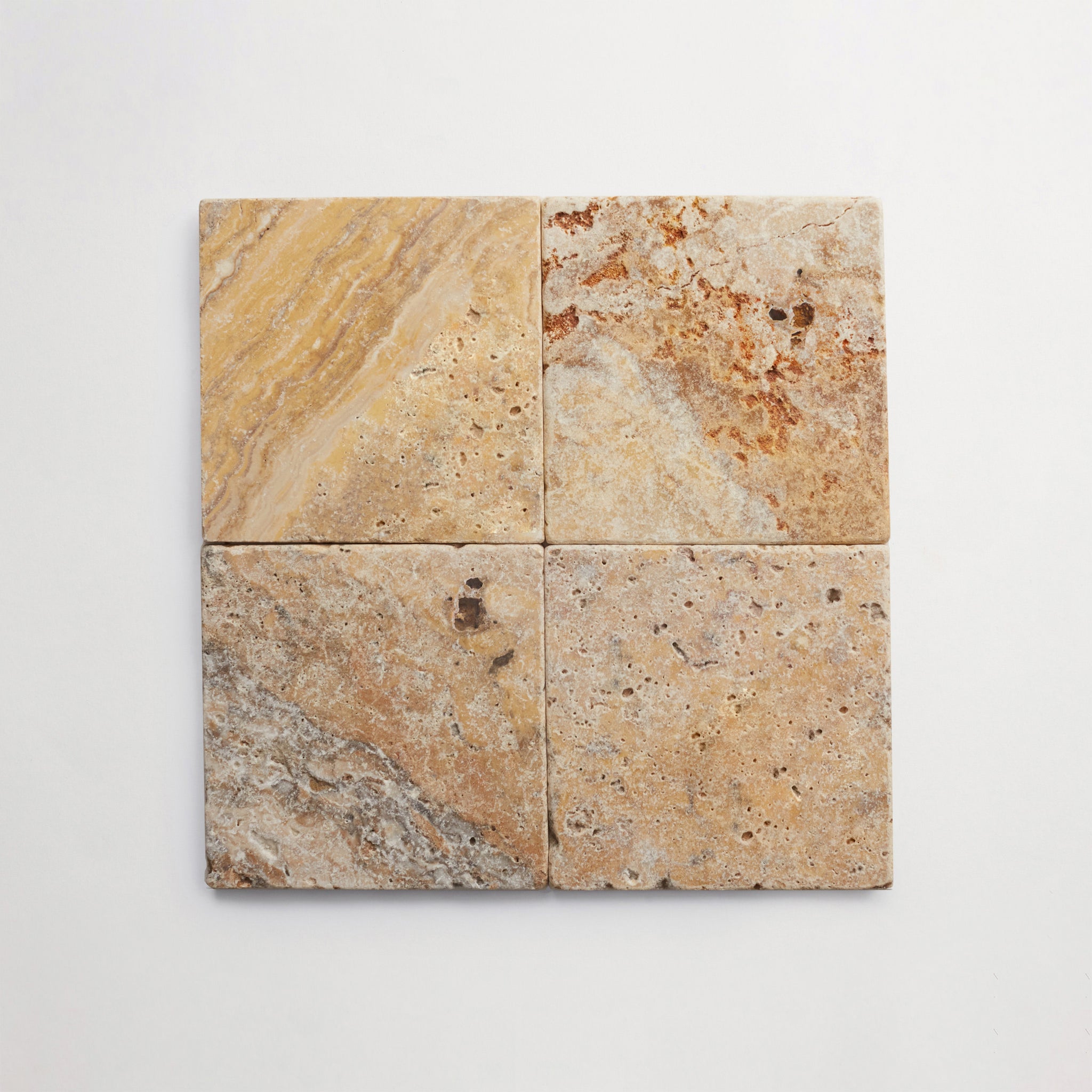
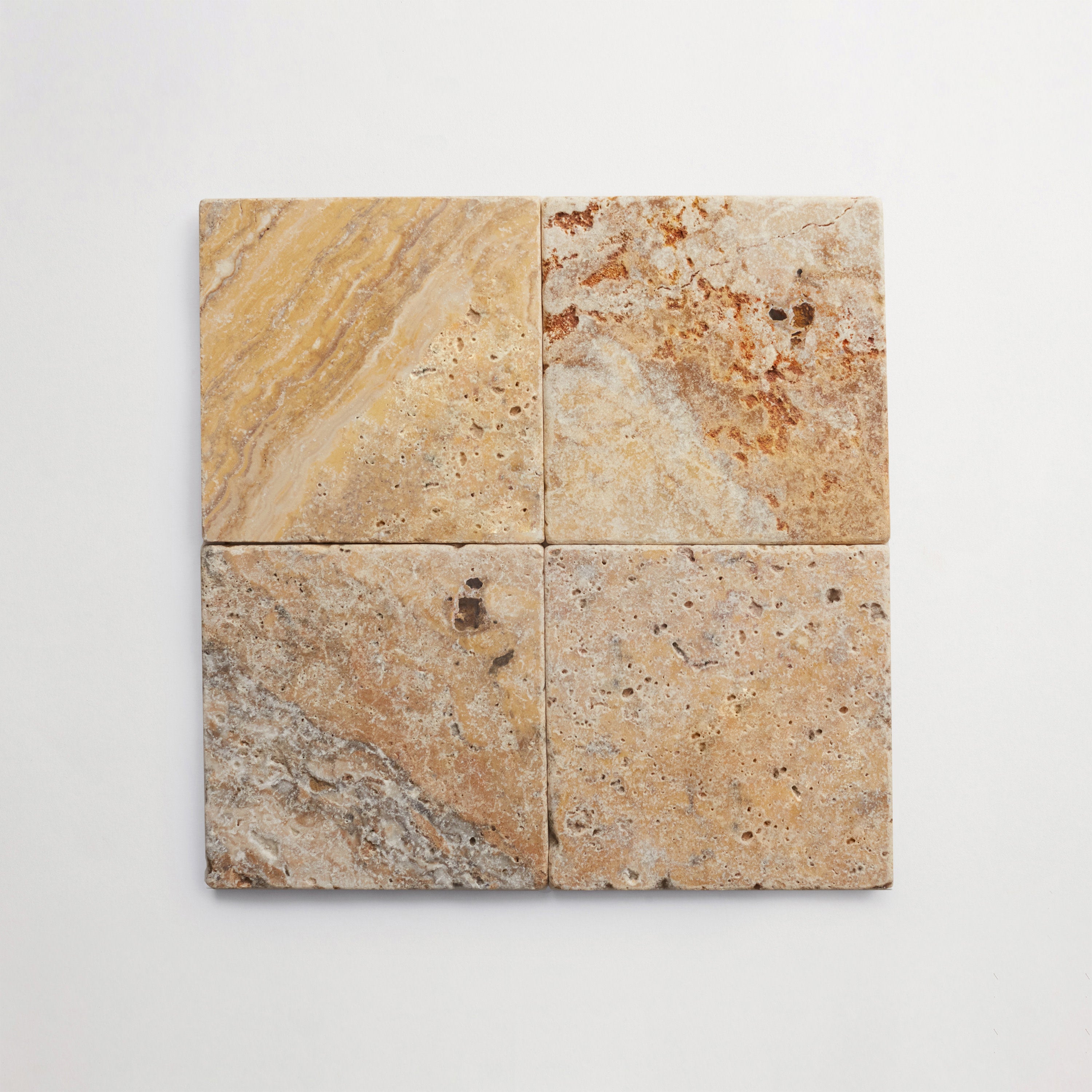
Colorway
-
Pumice
Collection
-
Pemberley Pavers